
Do you know the difference between a calibrated aerator and a conventional one?
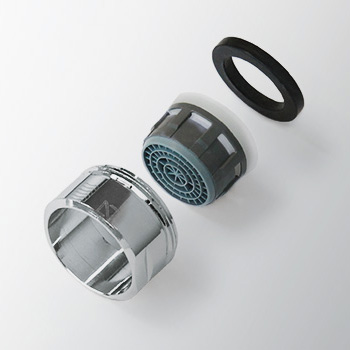
All aerators work the same way. They are devices that mix air and water together using pressure, producing a stream of water that is generous, very soft to the touch and with no splashing. There seems to be much more water than there really is, and the user does not feel like the flow has increased.
There are many types of aerators or diffusers on the market, and at TRES Grifería we have classified them into the following groups:
- Conventional aerators are very simple systems that restrict the flow volume so that the water supplied by the mains does not exceed standards for tapware, providing more than enough water, depending on the mains water pressure. In this regard, manufacturers classify aerators on a technical level according to their retention. The nomenclature used is A, B and C, with A being the most restrictive.
- On the other hand, calibrated aerators or constant flow restrictors, have technologies that reduce water consumption by up to 60% compared to conventional filters, regardless of the installation pressure. This means that they always limit the flow to 5, 6 or 8 litres per minute, with deviations of ±10%, depending on the model.
The implementation of calibrated water aerators in basin, bidet and kitchen taps reduces consumption, but does not compromise the comfort of the service provided. This makes them both more user- and environmentally-friendly.
Finally, we should mention diffuser systems. These filters merely prevent irregular water jets that cause splashing. Their mission is simply to channel the water outlet in an orderly manner from the taps.
No works are required for the installation of any of these accessories. The taps have a universal thread, and a simple assembly and disassembly operation means that the filters can be replaced in a matter of seconds. There are different types of thread (internal or external) and different flows, in addition to normal and theft-proof versions for public facilities.
In short, TRES offers simple, economic options for savings.
 |
Tres Comercial, S.A. Calle Penedès, 16-26 (Zona Industrial Sector A) 08759 Vallirana (Barcelona) Tel. (+34) 936834004 Fax: (+34) 936835061 www.tresgriferia.com |